Jogando em cima na Sol SC
Quando é considerado, como as decisões são tomadas e o que as famílias devem esperar.
O que é “jogar para cima”?
Jogar acima significa que um jogador participa de uma faixa etária mais velha do que a faixa etária designada. Jogar acima é uma exceção, não uma expectativa.
O que priorizamos
- O ambiente certo para o desenvolvimento e a confiança
- Segurança do jogador + prontidão (física e emocional)
- Equidade e consistência em toda a faixa etária
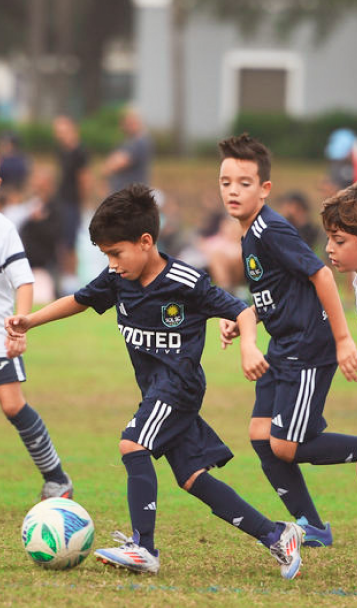
Nosso padrão de decisão
Aprovamos o aumento de nível somente quando for claramente do interesse do jogador a longo prazo (desenvolvimento, confiança, segurança) e permitido pelas regras da liga/competição.
Quando consideraremos a possibilidade de jogar mais
O aumento de nível pode ser considerado quando um jogador precisa consistentemente de um ambiente de treinamento/jogo de nível mais alto do que o disponível em seu grupo atual e o grupo mais antigo é claramente adequado.
O que avaliamos
Prontidão técnica/tática (não apenas “um dos melhores”)
Velocidade de jogo + tomada de decisões
Prontidão emocional (confiança, resiliência)
Considerações físicas/segurança
Adequação social + experiência geral
Regras da liga/competição
Quando normalmente não o aprovamos
- Para ficar com amigos
- Porque um dos pais o solicita sem uma necessidade clara de desenvolvimento
- Para garantir tempo de jogo, função ou colocação na equipe
- Para resolver os números da lista
- Se isso gerar preocupações com a segurança ou prejudicar a confiança
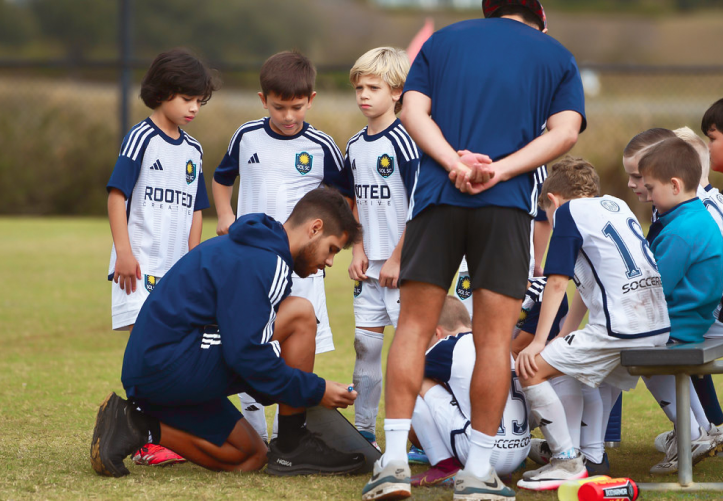
Processo passo a passo
Nosso processo de Avaliação de Novos Jogadores (NPE) foi projetado para ser simples, com pouca pressão e focado em colocar cada jogador no ambiente certo, e não em realizar testes em massa.

Janela de solicitação
As solicitações devem ser enviadas por meio do formulário (não por meio de conversas na linha lateral). A janela normalmente se estende em torno das clínicas de identificação até meados/fim de abril (antes de 1º de maio).


Teste de treinamento
- Em muitos casos, a primeira etapa é o treinamento antes de qualquer mudança na equipe
- Teste típico: 2 a 4 sessões com o grupo mais velho (além de um scrimmage controlado, se permitido)


Avaliação e revisão
- Observação de treinamento
- Entrada estruturada do coach
- Janela de testes (incluindo 1º de maio) quando necessário
- Revisão da equipe técnica para garantir a consistência
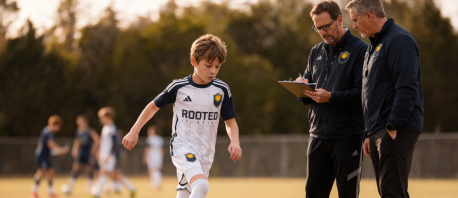

Decisão + expectativas
As famílias recebem um resumo da decisão.
Se aprovado, esclareceremos:
- Sem garantias de tempo de jogo, posição ou função
- A elegibilidade final do elenco depende das regras da liga/competição
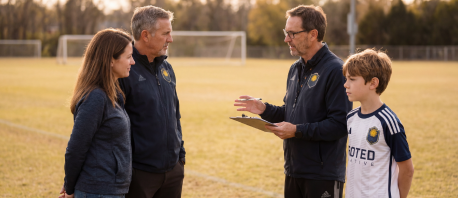

Check-in no início da temporada
Revisamos a colocação após 4 a 6 semanas.
Se não for a opção adequada (desenvolvimento, confiança, segurança), trabalhamos com a família para definir as próximas etapas.


Regras de segurança e de competição
Cada liga/competição pode ter regras de escalação diferentes. A Sol SC sempre seguirá as regras da competição e comunicará claramente quaisquer limitações.
Nas idades mais jovens, somos conservadores porque as diferenças de velocidade/contato/ambiente de jogo podem criar riscos à segurança.
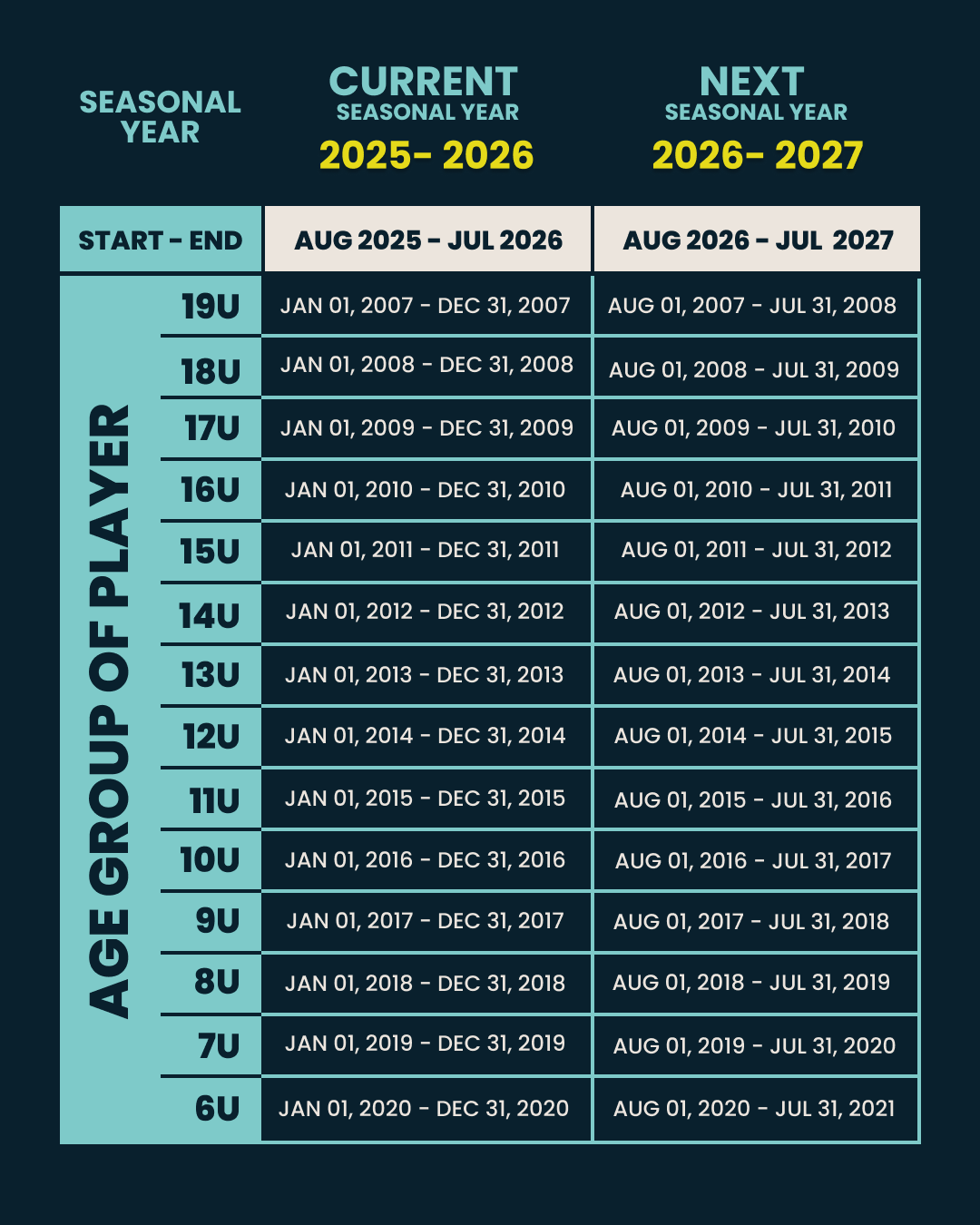
Posição padrão por idade
Cada liga/competição pode ter regras de escalação diferentes. A Sol SC sempre seguirá as regras da competição e comunicará claramente quaisquer limitações.
Nas idades mais jovens, somos conservadores porque as diferenças de velocidade/contato/ambiente de jogo podem criar riscos à segurança.
Como o jogo é normalmente considerado por idade
Sub-8 e mais jovens
Jogar com o time principal geralmente não é aprovado (treinamento somente quando apropriado)
U9-U10
Raro; o treinamento é normalmente a primeira etapa
U11-U12
Possível em casos limitados com prontidão clara
U13+
Mais comumente considerado, mas ainda assim, o jogador é o primeiro e depende de regras
Perguntas frequentes
Meu filho pode jogar com um grupo de idade mais avançada?
Possivelmente. O aumento de nível é considerado quando beneficia claramente o desenvolvimento de longo prazo de um jogador e quando ele merece a oportunidade. Isso não é automático e não se baseia apenas na idade.
O que meu filho precisa demonstrar para ser considerado?
Para ser considerado, o jogador deve ter o melhor desempenho em sua faixa etária atual e ser projetado como titular ou jogador de impacto claro na equipe mais velha. Se um jogador não contribuir de forma significativa no nível mais velho, não é recomendável jogar no nível superior.
O fato de ser habilidoso significa automaticamente que meu filho deve jogar melhor?
Não necessariamente. Além da capacidade técnica, avaliamos a prontidão física, a compreensão tática, a maturidade emocional e a capacidade de lidar com o aumento da concorrência. Todas as áreas devem estar alinhadas para que o aumento de nível seja benéfico.
Quem toma a decisão?
O processo começa com uma recomendação do técnico atual de seu filho. O técnico da equipe mais antiga também deve concordar que seu filho seria um jogador de impacto. A aprovação final é feita pelo(s) diretor(es) do clube.
Os pais podem solicitar que seus filhos joguem em pé?
Os pais são sempre bem-vindos para fazer perguntas, mas as solicitações dos pais, por si só, não iniciam nem garantem uma oportunidade de jogar. As decisões são baseadas em avaliações e recomendações do técnico/diretor.
O fato de jogar no time de cima garante mais tempo de jogo ou uma função de titular?
Não. Jogar não garante tempo de jogo, uma posição específica ou colocação permanente na equipe mais velha. Todas as decisões de tempo de jogo ficam a critério do técnico.
O jogo é permanente?
Nem sempre. A mudança pode ser temporária ou contínua e é revisada regularmente. Se o ambiente não estiver mais beneficiando o jogador, poderão ser feitos ajustes.
Meu filho pode brincar e ainda permanecer em sua própria faixa etária?
Em alguns casos, sim. Isso pode incluir oportunidades de treinamento, jogos com convidados ou situações de dupla inscrição. A estrutura é determinada com base no que melhor apóia o desenvolvimento.
E se meu filho não for aprovado para jogar?
Com que frequência as decisões de repescagem são revisadas?
Qual é a filosofia geral do clube em relação a jogar para cima?

West Orange Park
150 Windermere Rd, Winter
Jardim, FL 34787
Eddie Santos
Ainda tem dúvidas?
Envie sua pergunta e nós a encaminharemos para a pessoa certa.