
Sideline coaching in youth soccer often feels louder than the game itself.
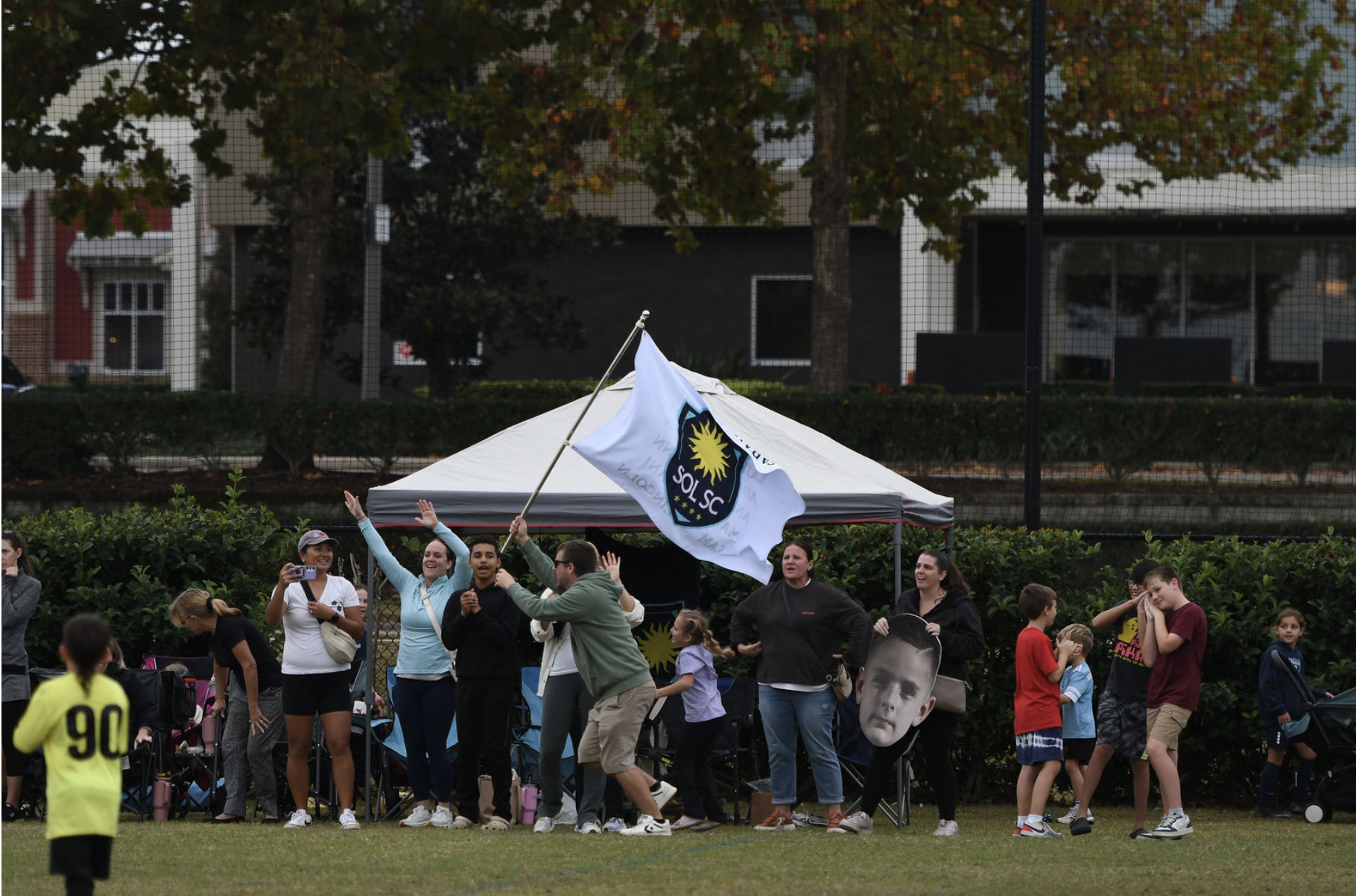
Today wasn’t difficult because of the opponent, the weather, or even a mistake I made on the field. It was difficult because, from the opening whistle, the loudest part of the match wasn’t the play, it was the sideline.
Voices poured in from every direction:
- “Press him.”
- “Pass it.”
- “Shoot.”
- “Turn.”
- “Get wider.”
- “Drop.”
The game I was trying to read for myself was drowned out by instructions arriving faster than I could think. Before I could make a single decision, someone else had already made it for me.
Every action already had an instruction attached before I’d even had a chance to think for myself.
- I’m trying to play, but I can’t.
- I’m trying to make decisions, but yours arrive before mine.
- I’m trying to focus, but I keep glancing over, checking if you’re annoyed, disappointed, or ready to shout again.
I’m only a young player, still learning.
- I want to hear my coach.
- I want to understand the game.
- I want to trust my own eyes.
- I want to make decisions and learn from them.
I will make mistakes, and learn from them.
But when the sideline becomes a second coach, louder, quicker, more impatient.
- I stop learning.
- I stop thinking.
- I stop enjoying the game
- I stop playing soccer.
And then the questions start:
- Why do adults think constant instructions help?
- Why do they talk as if they’re in the game with me?
- Why am I more worried about disappointing them than playing the right way?
Soccer shouldn’t feel like a test I’m failing in real time. It shouldn’t feel like every decision is wrong simply because someone shouted a different one before I made it.
Here’s the Part Nobody Admits
Children don’t struggle because they can’t think.
They struggle because adults don’t let them.
Decision-making grows from freedom, not fear.
Awareness grows from playing, not from being shouted at.
Confidence builds from trying, not from being corrected every five seconds.
- I’m the one on the field.
- I see what you can’t see.
- I feel the pressure you don’t feel.
- I’m learning in real time.
All I’m asking for is space to think, to breathe, to grow.
But Not All Sideline Instruction Is Wrong
Here’s the truth:
Parents shout because they care. Many times, what they say isn’t wrong, it’s just different from what the coach wants in that moment.
“Shoot!” vs. “Keep Possession.”
Last minute of a game.
We’re winning 1–0.
A parent yells: “Shoot!”
The coach yells: “Keep the ball!”
Neither instruction is inherently right or wrong.
Shooting could end the match.
Keeping possession could secure the win.
But to a young player?
Those two instructions feel like being pulled in opposite directions.
It’s like being in math class with two teachers yelling different ways to solve the same problem.
Do you divide first? Multiply first? Round up? Round down?
No matter what you pick, someone will think you chose wrong.
The result?
Confusion. Hesitation. Frustration. Lack of Confidence.
Just like on the soccer field.
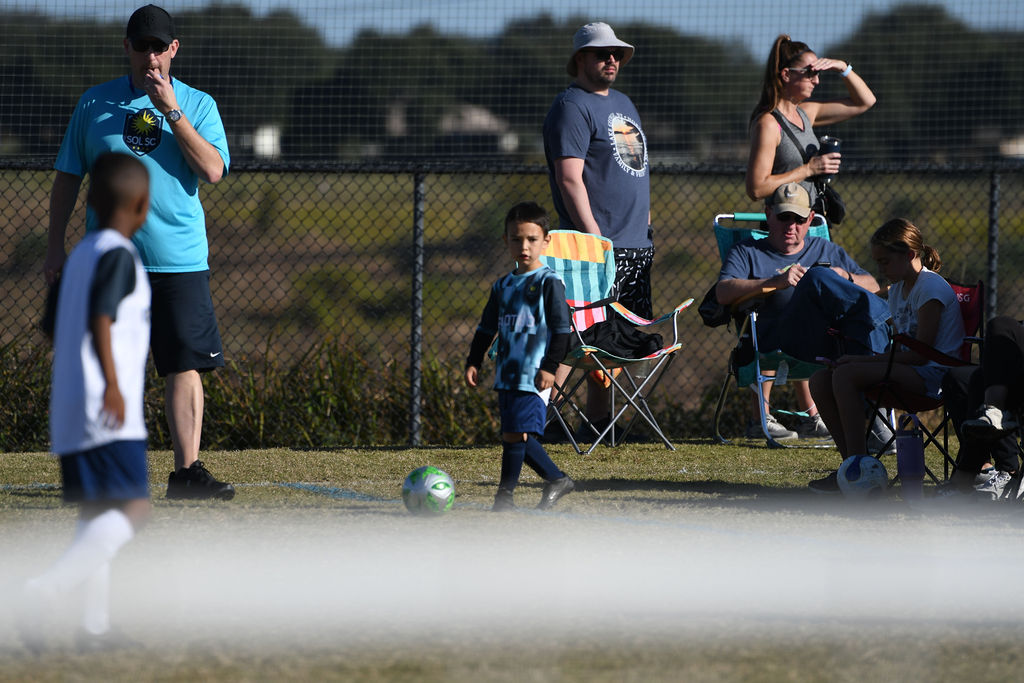
Soccer Is Full of Grey Areas
Parents often shout things like:
- “Press!”
Perhaps the coach wants a mid or low defensive block.
- “Go forward!”
Perhaps the coach wants the team to build from the back.
- “Cross it!”
Perhaps the coach wants the player to recycle and create a better angle for a more dangerous cross.
- “Release it!”
Perhaps the coach wants players to learn how to take players on or to hold the ball under pressure.
None of these instructions are bad.
They’re simply context-dependent and the coach knows the plan, the philosophy, and the teaching objective for that moment.
At Sol SC, our priority is helping kids think independently: reading the game, making their own decisions, and building real soccer intelligence. That’s how long-term development is created.
When adults on the sideline give alternative instructions, even well-intentioned ones, players end up stuck between two worlds:
The plan they practiced and the noise they hear.
What Players Need Most
If you want to help me, here’s how:
- Let me play.
- Let my coach guide me.
- Let me learn through mistakes.
- Let the game teach me what shouting never could.
Because when the noise stops, the learning truly starts.